

Your prosthetic liner might not look like much at first glance, but it plays a huge role in your daily comfort and mobility. This soft, flexible sleeve sits between your residual limb and the hard socket of your prosthesis and trust us, it’s doing a lot of behind-the-scenes work.
So, what exactly does a liner do?
- Cushioning & comfort – easing pressure points and reducing friction.
- Suspension – keeping your prosthesis snug and secure (some liners work with suction, vacuum, or pin-lock systems).
- Skin protection – spreading out pressure evenly to help prevent irritation or sores.
Because your liner is in constant contact with your skin, taking care of it properly is essential both for hygiene and for keeping your prosthesis fitting well. Here’s how to keep it in top shape.
🌙 Daily Care
Think of your liner like a favourite T-shirt, it needs a wash after every wear.
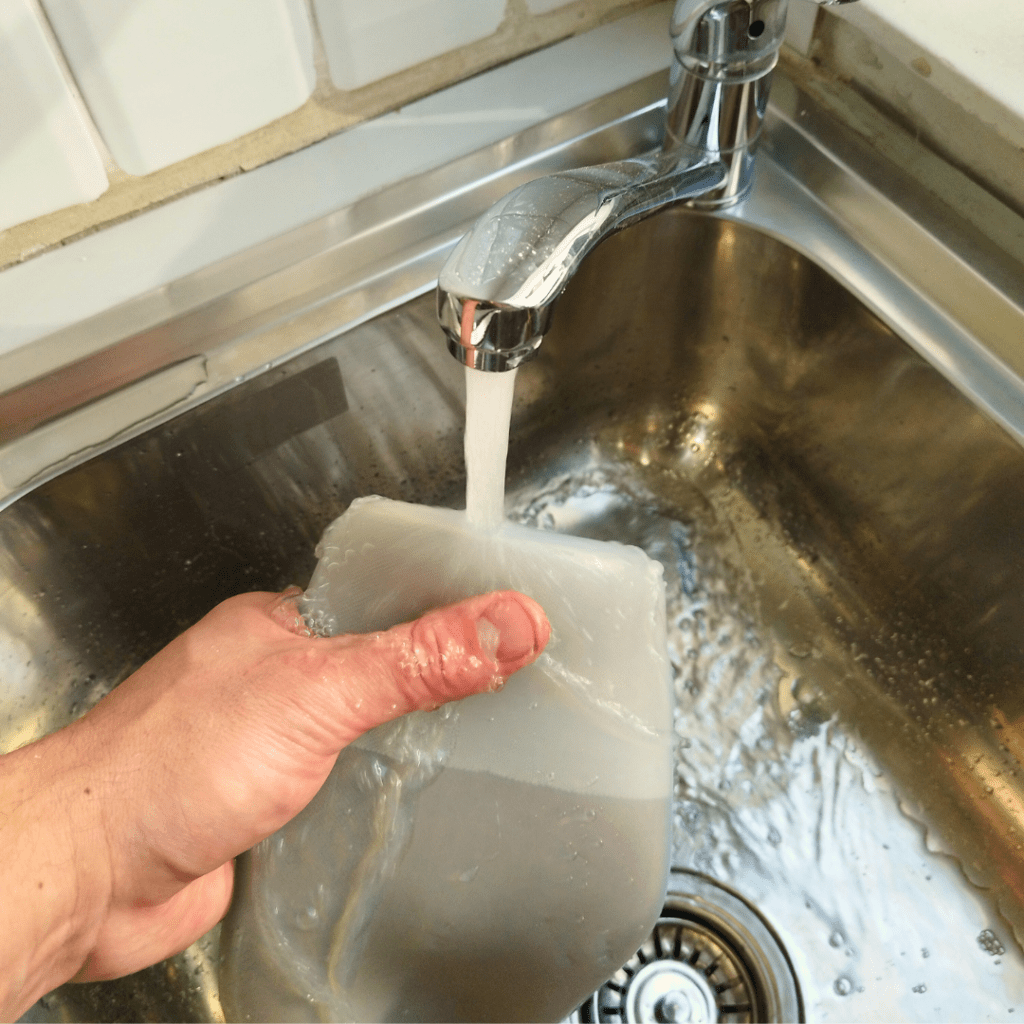
- Wash it every evening with mild, unscented soap or a liner-specific cleaner and lukewarm water.
- Rinse thoroughly to avoid leftover soap, which can cause skin irritation.
- Dry the silicone or gel completely by patting with a clean towel and leaving it to air-dry overnight.
🧼 Weekly TLC
A little extra attention goes a long way.
- Deep clean once or twice a week with an antibacterial spray or wipes recommended by your prosthetist.
- Check for damage like cracks, thinning, or tears, these can affect comfort and suspension.
🚫 What Not to Do
Your liner isn’t a fan of extremes or harsh chemicals.
- Skip the bleach, alcohol, or very hot water.
- Don’t dry it on a heater or in direct sunlight.
- And whatever you do, don’t wear it without cleaning sweat and bacteria build up fast.
👩⚕️ Skin & Fit Care
Your skin and your liner are a team looking after one helps the other.
- Always put the liner on clean, dry skin.
- Keep an eye out for redness, rashes, or sore spots that don’t go away, if you notice these, check in with your prosthetist.
- Expect to replace your liner every 6–12 months (depending on use) or sooner if it starts to lose shape or cushioning.
Bottom line: A little daily care keeps your prosthetic liner fresh, comfortable, and working its best so you can focus on moving, living, and doing what you love.
 Du Toit Orthotics & Prosthetics