
No matter the cause of your amputation whether it was trauma, diabetes, vascular disease or infection one thing remains essential: you need to look after your residual limb every single day. Your skin is your first line of protection and proper stump care plays a major role in long term prosthetic comfort and mobility. A prosthetic… Read More
The Best Exercise for Walking… Is Walking
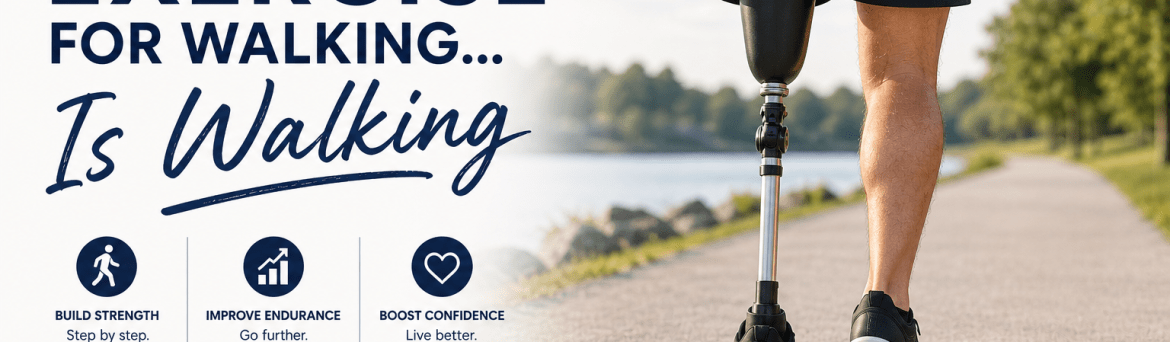
It may sound too simple but it’s true the best way to improve your walking is to walk. Yes, physiotherapy and gait training is essential. They target weaker muscles and help correct imbalances that affect how you move. But let’s be honest very few people have a “perfect” walking pattern. Even I don’t. My left… Read More
New prosthetic users and “keeping up with the Joneses”
New prosthetic users should stop to try “keeping up with the Joneses” In today’s social media world it is easy for new prosthetic users to fall into the trap of comparison. You may see prosthetic users running, lifting weights, or moving effortlessly and wonder why your own journey feels so difficult. This is the prosthetic… Read More
Managing Limb Volume Changes in a Below Knee Prosthesis.
For a transtibial (below-knee) amputee achieving a comfortable and secure fit inside a prosthetic socket is essential for mobility, safety, and long term skin health. One of the most common challenges prosthetic users faces is residual limb (stump) volume fluctuation. Limb volume can change throughout the day due to activity levels, temperature, fluid retention and… Read More
Why physical strength matters for prosthetic users, You are the power.

No matter how advanced or high end your prosthesis is it will not walk for you. The true magic lies in your own body. Building and maintaining physical strength is one of the most important parts of successful prosthetic use. Strong muscles support better balance, stability, and control helping you walk with more confidence and… Read More

