
For a transtibial (below-knee) amputee achieving a comfortable and secure fit inside a prosthetic socket is essential for mobility, safety, and long term skin health. One of the most common challenges prosthetic users faces is residual limb (stump) volume fluctuation. Limb volume can change throughout the day due to activity levels, temperature, fluid retention and… Read More
Why physical strength matters for prosthetic users, You are the power.

No matter how advanced or high end your prosthesis is it will not walk for you. The true magic lies in your own body. Building and maintaining physical strength is one of the most important parts of successful prosthetic use. Strong muscles support better balance, stability, and control helping you walk with more confidence and… Read More
Finding the Perfect Prosthetic Fit: It’s a Journey, Not a Sprint
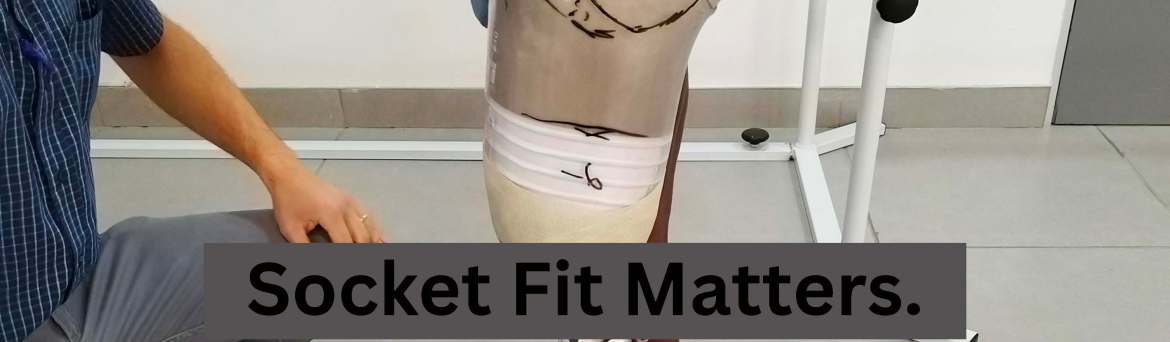
Achieving the perfect prosthetic fit doesn’t happen overnight—or even over a few days. It’s a process that unfolds over weeks and months, not minutes. The world is not flat, nor can we control every part of it. Think of it like buying a new pair of hiking boots. In the store, they feel amazing. You… Read More
How can I control swelling in my stump? Compresson is key

After an amputation it is normal to notice changes in the size and shape of your stump, this is referred to as Volume fluctuation. This is part of the body’s normal healing response; however, it is important to manage this volume to prepare your stump for prosthetic use. Why is it important to control this volume… Read More
Prosthetic Covers: The What, Why, and Who

Prosthetic covers provide patients with the opportunity to “humanize” their prosthesis. These covers can be used for a variety of lower limb prostheses, including below-knee and above-knee devices. Some prosthetic users see the prosthetic cover as an absolute necessity, while others would rather have their pylon do the talking. But why? Let’s take a look… Read More
 Du Toit Orthotics & Prosthetics